
10 Classroom Activities That Boost Creativity in Preschoolers | 5Kids Nursery
Creativity is one of the most valuable skills children can develop during their early years. In preschool, children begin exploring the world through imagination, play, and discovery. When classrooms encourage creativity, children become more confident, curious, and eager to learn.
At 5Kids Nursery, we believe that creativity is not just about art and crafts. It is about allowing children to express ideas, solve problems, and think independently. Over the years, experienced early childhood educators have found that structured creative activities help young learners develop essential cognitive, emotional, and social skills.
In this article, we will explore 10 classroom activities that boost creativity in preschoolers and explain how these activities support a child’s overall development.
Why Creative Activities Are Important for Preschoolers
Creative learning plays a crucial role in early childhood education. During the preschool years, a child’s brain develops rapidly, forming connections that influence future learning abilities.
Encouraging creativity in preschool classrooms helps children:
Develop problem-solving skills
Build confidence and self-expression
Improve communication and language abilities
Strengthen fine motor skills
Enhance imagination and curiosity
At nurseries like 5Kids Nursery, creativity is integrated into daily learning activities to ensure children enjoy the learning process while developing important life skills.
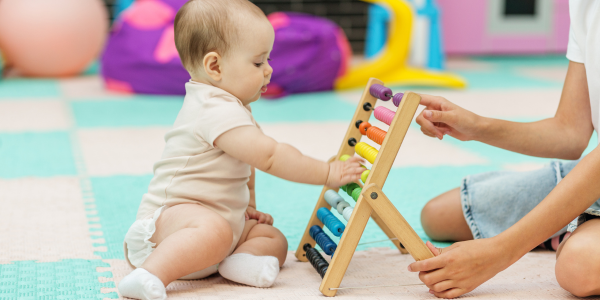
1. Storytelling and Role Play
Storytelling is a powerful tool for developing imagination. When children listen to stories and act them out, they begin to understand characters, emotions, and different perspectives.
Teachers can encourage children to:
Dress up as story characters
Create their own endings to stories
Act out simple scenes with classmates
Role play not only boosts creativity but also improves communication and social interaction among preschoolers.
2. Open-Ended Art Activities
Art activities allow children to express their ideas without strict rules. Instead of telling children exactly what to draw or create, teachers can provide materials and let their imagination guide them.
Common materials include:
Colored paper
Paints and brushes
Clay and play dough
Recycled craft materials
Open-ended art encourages children to think independently and create something unique.
3. Building and Construction Play
Building blocks, LEGO, and construction toys provide excellent opportunities for creative thinking. When children build structures, they learn to experiment, plan, and solve problems.
Construction play also improves:
Spatial awareness
Logical thinking
Teamwork when working in groups
Many early childhood educators consider building activities one of the best creative classroom activities for preschoolers.
4. Music and Movement Activities
Music naturally encourages creativity in young children. Singing songs, dancing, and playing simple instruments allow children to express themselves in a fun and energetic way.
Teachers often include:
Rhythm games
Dance sessions
Musical storytelling
Instrument exploration
Music activities also help children develop coordination and listening skills.
5. Sensory Play Exploration
Sensory play is an important part of creative learning in preschool. Activities that involve touching, feeling, and experimenting with materials help children understand the world around them.
Examples of sensory activities include:
Sand and water play
Sensory bins with rice or beans
Play dough modeling
Texture exploration
These experiences encourage curiosity and creative thinking.
6. Nature Exploration and Outdoor Learning
Outdoor learning environments provide endless opportunities for creativity. Nature encourages children to observe, explore, and imagine.
Teachers may organize activities such as:
Nature walks
Leaf and flower art
Outdoor treasure hunts
Gardening projects
Outdoor exploration helps children develop creativity while building a connection with nature.
7. Creative Problem-Solving Games
Problem-solving games challenge children to think creatively. These activities help preschoolers learn that there are often many different ways to solve a problem.
Examples include:
Puzzle challenges
Simple engineering tasks
Building bridges with blocks
Group problem-solving games
Such activities improve critical thinking skills from an early age.
8. Puppet Shows and Dramatic Play
Puppet play allows children to create their own stories and characters. It also helps them express emotions in a safe and imaginative way.
Teachers may encourage children to:
Create their own puppets
Perform short puppet shows
Tell stories using puppet characters
Dramatic play activities are widely used in early childhood education to stimulate creativity.
9. Collaborative Group Projects
Group activities encourage teamwork while allowing children to share creative ideas. Collaborative projects help preschoolers learn to listen, communicate, and cooperate.
Examples include:
Group murals
Building large structures together
Creating classroom decorations
Group storytelling
These projects build both creativity and social skills.
10. Imaginative Free Play
Sometimes the most powerful creativity comes from unstructured play. Free play allows children to explore ideas without strict instructions.
In a well-designed preschool classroom, children have access to:
Pretend play areas
Creative toys
Art materials
Building resources
Free play encourages independence and imaginative thinking.
How 5Kids Nursery Encourages Creativity in Preschoolers
At 5Kids Nursery, creativity is integrated into everyday learning. Our classrooms are designed to provide children with opportunities to explore, imagine, and discover.
Our experienced early childhood educators focus on:
Play-based learning approaches
Safe and stimulating classroom environments
Creative exploration through art, music, and storytelling
Activities that support social and emotional development
With years of experience in early childhood education, we understand that every child is unique. By nurturing creativity, we help children build confidence and develop a love for learning.
Creativity is a key part of a child’s early learning journey. Through carefully designed classroom activities, preschoolers can develop imagination, problem-solving skills, and self-confidence. The 10 classroom activities that boost creativity in preschoolers discussed above show how simple yet meaningful experiences can shape a child’s development.
Frequently Asked Questions
Are these creative activities part of the core curriculum?
Yes — they connect directly to the EYFS Creative Development area, not treated as separate from academic learning.
What ages take part?
Adapted versions run across our Toddler, Pre-Foundation and Foundation classes.
See our full curriculum — our preschool programme or book a visit.